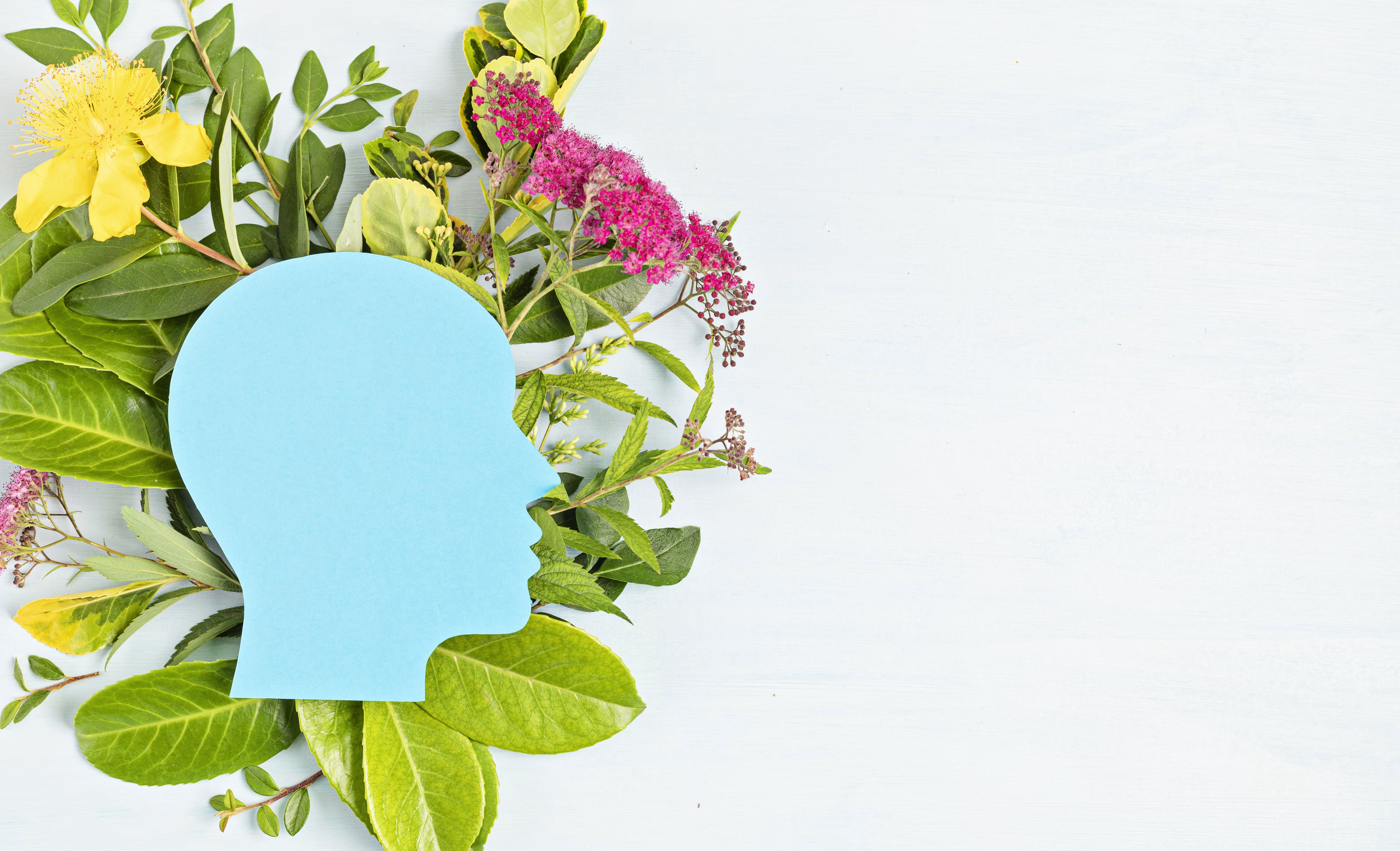
Managing Anxiety Naturally: Meditation and Lifestyle Tips
April 15, 2026 · Explore how meditation for stress and anxiety works, along with lifestyle strategies that support emotional balance. Learn when natural approaches are helpful and when to consider professional care.
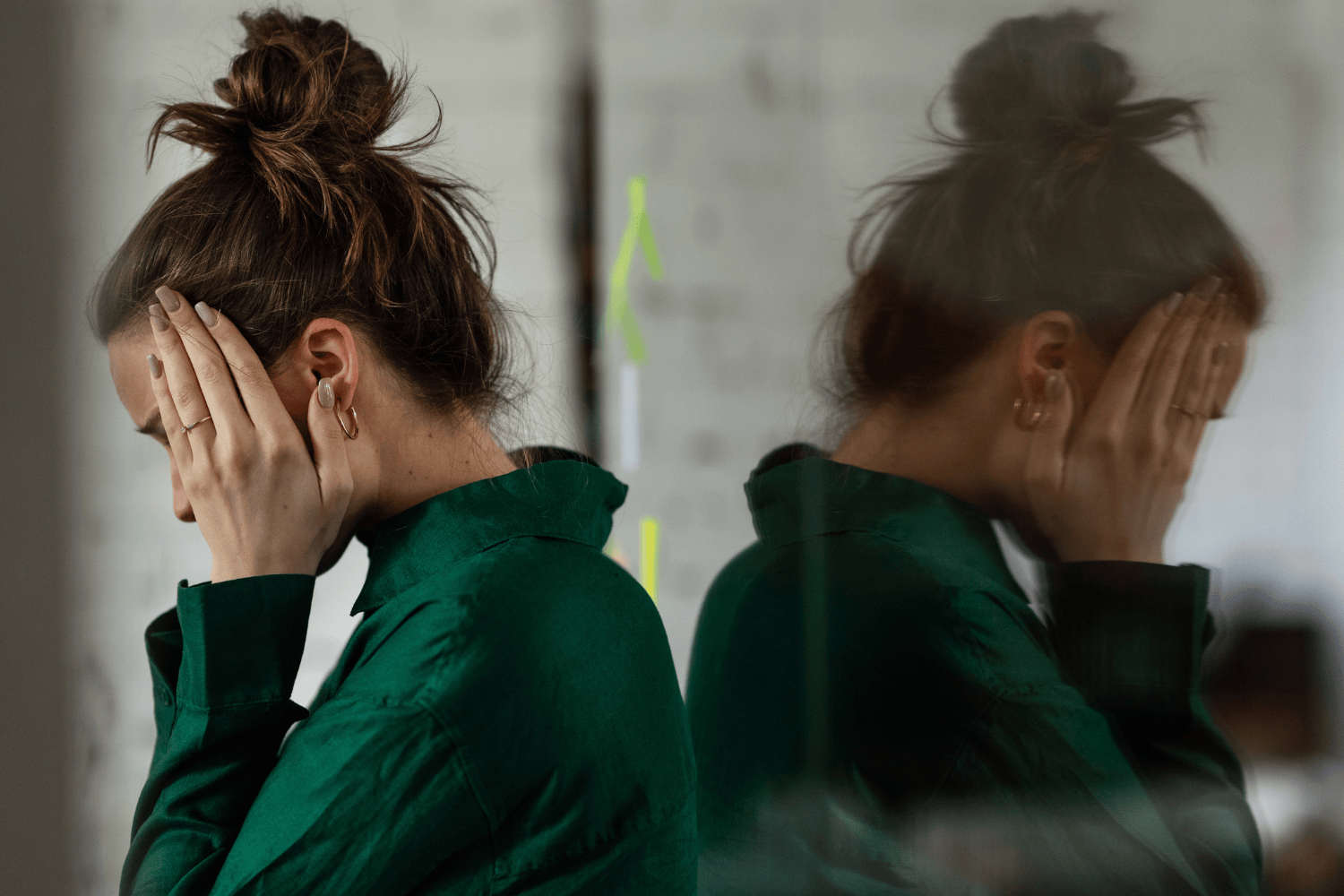
Anxiety is a common experience that can affect both mental and physical health. Many individuals look for ways to manage symptoms outside of medication, often searching for approaches like meditation for stress and anxiety. While natural strategies can be helpful, it is important to understand how they fit within a broader, medically informed plan.
Anxiety may present as persistent worry, restlessness, difficulty concentrating, or physical symptoms such as muscle tension and disrupted sleep. These symptoms can vary in intensity and may change over time depending on stress levels, environment, and overall health.
This article explains how meditation and lifestyle strategies can support anxiety management, what to expect from these approaches, and when additional clinical care may be appropriate.
Understanding Anxiety and the Stress Response
Anxiety is closely tied to the body’s stress response system. When the brain perceives a threat, it activates a series of physiological changes designed to prepare the body for action. This response can be helpful in short-term situations but may become problematic when it is activated too frequently or remains elevated over time.
Chronic stress can affect sleep, mood, concentration, and physical health. Over time, this can contribute to a cycle in which anxiety symptoms reinforce themselves. Addressing anxiety often involves both regulating this stress response and identifying underlying factors that may be contributing to it.
How Meditation Supports Stress and Anxiety
Meditation for stress and anxiety focuses on developing awareness of thoughts, emotions, and physical sensations without immediate reaction. Over time, this practice may help reduce reactivity to stress and improve emotional regulation.
Regular meditation can support the nervous system by encouraging a shift away from constant alertness toward a more balanced state. Some individuals notice improvements in focus, sleep, and overall sense of calm with consistent practice.
It is important to note that meditation does not eliminate anxiety entirely. Instead, it provides a tool for responding to anxious thoughts in a more controlled and less reactive way. Like most behavioral strategies, its effectiveness depends on consistency and realistic expectations.
Read: Exploring Meditation for Anxiety and Depression
Practical Ways to Incorporate Meditation
Meditation does not require long sessions or a specific environment to be effective. Many individuals begin with short, structured practices and gradually increase duration as they become more comfortable.
Simple approaches may include focusing on the breath for a few minutes, noticing physical sensations in the body, or using guided audio sessions. Practicing at the same time each day can help build consistency and make meditation a more sustainable habit.
Even brief periods of mindfulness throughout the day, such as pausing between tasks or paying attention to breathing during moments of stress, can contribute to improved awareness and emotional regulation over time.
Lifestyle Factors That Influence Anxiety
In addition to meditation, several lifestyle factors play a significant role in how the body responds to stress. Sleep quality, physical activity, nutrition, and daily structure all influence mood and nervous system function.
Consistent sleep patterns help regulate hormones that affect stress and emotional stability. Regular physical activity can support both mental and physical health by reducing tension and improving overall resilience. Nutrition also plays a role, as fluctuations in blood sugar and hydration can affect energy levels and mood.
While these factors may seem basic, they form the foundation of long-term anxiety management. Addressing them can make other treatments, including therapy or medication, more effective when they are needed.
You might also be interested in How Does Quality Sleep Impact Mental Health and Depression?
When Natural Approaches May Not Be Enough
Although meditation and lifestyle strategies can be helpful, they may not fully address moderate to severe anxiety. When symptoms persist, worsen, or interfere with daily functioning, additional support may be necessary.
Clinical care may include therapy, medication management, or a combination of approaches depending on the individual’s needs. These treatments are designed to address both the biological and psychological components of anxiety in a structured and evidence-based way.
For some individuals with treatment-resistant symptoms, more advanced therapies may be considered within a carefully supervised setting. These decisions are made only after a thorough evaluation and when clinically appropriate.
Integrating Natural Strategies with Medical Care
Natural approaches are most effective when they are integrated into a broader care plan rather than used in isolation. Meditation, lifestyle changes, and clinical treatment can work together to support both short-term symptom relief and long-term stability.
A coordinated approach allows for adjustments over time as symptoms change. It also ensures that treatment remains aligned with the individual’s overall health, rather than focusing on a single strategy.
Working with a healthcare provider can help determine how different approaches fit together and whether additional support is needed.
A Balanced Approach to Managing Anxiety
Managing anxiety often requires a combination of strategies rather than a single solution. Meditation for stress and anxiety can be a useful tool for improving awareness and regulating the stress response, while lifestyle habits provide a foundation for overall wellbeing.
At Lonerock Clinic, anxiety care is approached through a physician-led, integrated model that considers both mental and physical health. For individuals experiencing ongoing symptoms, connecting with a provider can help determine the most appropriate combination of strategies and whether additional treatment may be beneficial.
FAQs
Does meditation help with anxiety?
Meditation may help reduce stress and improve emotional regulation by increasing awareness of thoughts and reactions. While it does not eliminate anxiety, it can be a useful tool when practiced consistently as part of a broader approach to care.
How long does it take to see results from meditation?
Some individuals notice small improvements in focus or relaxation within a few weeks, but more consistent benefits typically develop over time. Regular practice is important for long-term effectiveness.
Can lifestyle changes reduce anxiety?
Lifestyle factors such as sleep, physical activity, and nutrition can influence how the body responds to stress. Improving these areas may help reduce the severity of symptoms, although they may not fully address more complex anxiety conditions.
When should I seek professional help for anxiety?
Professional care should be considered when symptoms are persistent, worsening, or interfering with daily life. Early evaluation can help determine the most appropriate treatment options.
Are natural treatments enough for anxiety?
Natural strategies can support anxiety management, but they are not always sufficient on their own. Many patients benefit from combining these approaches with clinical care for more comprehensive support.