

Conditions We Treat
Anxiety Treatment in Eugene, Oregon
Whether you're living with generalized anxiety, panic attacks, or chronic anxiety that hasn't responded to previous treatment, Lonerock provides research-driven psychiatric evaluations, personalized medication management, therapy integration, and advanced treatment options when appropriate.
Medically reviewed by Kimberly Metheny, LCSW · Last reviewed June 2026
- PRATI- & Polaris-trained
- ASKP3-certified
- LCSW-led KAP
- Ketamine + Spravato®
- Insurance accepted
- 11,000+ patients served
Every patient begins with a comprehensive psychiatric evaluation to understand the underlying causes of their anxiety, previous treatments, and overall health. From there, we create a personalized treatment plan that may include medication management, psychotherapy, lifestyle support, and, in select cases, advanced treatments such as Ketamine-Assisted Psychotherapy (KAP).
Untreated anxiety can contribute to physical symptoms such as headaches, muscle tension, and sleep disturbances, as well as emotional challenges like irritability and difficulty concentrating. At Lonerock Clinic, anxiety care is part of our broader psychiatric care, and we provide personalized treatment plans to help you manage symptoms and regain control of your life.

Understanding your care
Common Symptoms of Anxiety
Anxiety can affect both the mind and body, presenting in a variety of ways. Understanding these common symptoms helps individuals recognize the condition and seek appropriate care.
Persistent Worry
Frequent, uncontrollable worry about everyday events or situations that interferes with focus and daily activities.
Restlessness and Physical Tension
Feelings of nervousness, fidgeting, muscle tension, or a constant sense of being “on edge.”
Difficulty Concentrating
Trouble focusing, making decisions, or remembering tasks, often accompanied by mental fatigue or “brain fog.”
Anxiety Disorders We Treat
- Generalized Anxiety Disorder (GAD)
- Panic Disorder
- Social Anxiety Disorder
- Health Anxiety
- Anxiety related to trauma or PTSD
Other Common Symptoms
- Panic attacks
- Sleep disturbances
- Racing thoughts
- Avoidance behaviors
- Rapid heartbeat or shortness of breath
Personalized Medication Management
Medication is one option among several, and it's never one-size-fits-all. Some patients do well without it, while others benefit from starting or adjusting a prescription as part of a broader plan.
- Not everyone needs medication.
- Some people benefit from adjusting existing medications.
- Others may need a different treatment approach.
- Medication decisions are individualized and regularly reviewed.
When Standard Anxiety Treatment Isn't Enough
While ketamine isn't a first-line treatment for anxiety, some patients with severe anxiety, PTSD, or treatment-resistant depression may benefit from Ketamine-Assisted Psychotherapy (KAP) as part of a broader psychiatric care plan. KAP always begins with a thorough evaluation to determine whether it's appropriate for you.
Coordinated care
Collaborative Care for Better Mental Health
We believe that integrated, team-based care is essential for effective mental health treatment. We work closely with your primary care physician, therapists, and other healthcare providers to ensure a coordinated approach tailored to your needs.
Integrated Treatment Plans
Our team communicates openly with your existing providers to develop a medication and therapy plan that aligns with your overall healthcare goals, ensuring consistency and safety.
Open Referrals Welcome
You don't need to be a Lonerock primary care patient to receive our mental health services. We accept referrals from any physician, making it easy to access specialized care.
Personalized Support
Every patient receives care that is individualized to their condition, lifestyle, and preferences, helping improve outcomes and maintain long-term mental wellness.
Your Care Team

Psychiatric Mental Health Nurse Practitioner (PMHNP) · psychiatric evaluation & medication management for behavioral health
Accepting new patients
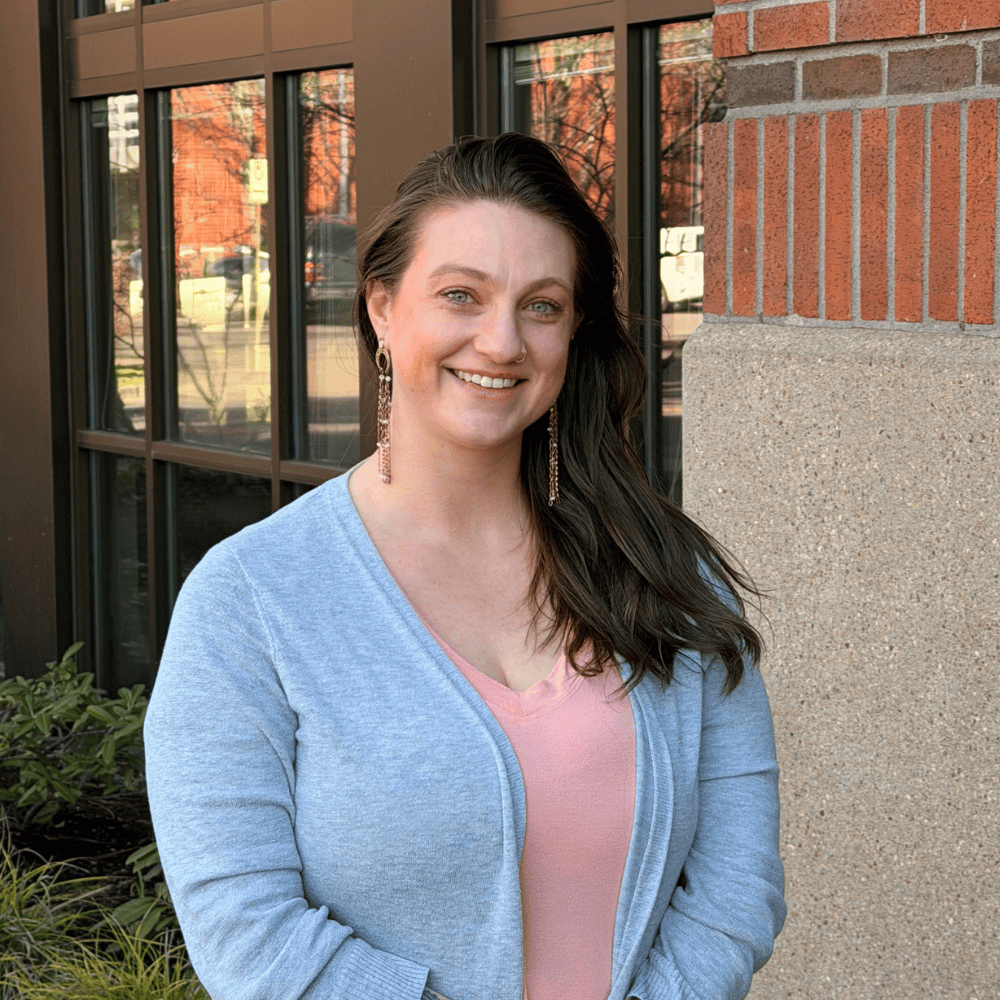
Licensed Clinical Social Worker · Ketamine-Assisted Psychotherapy & integration

CEO & Founder · Emergency Medicine background · Master's in Psychopharmacology · leads the medical side of the Ketamine program
Getting started
How It Works
- 1
Book Your Free Consultation
Call (833) 646-3633 or book online — often same-day or next-day.
- 2
Comprehensive Evaluation
A full psychiatric assessment so your plan fits your history, not a template.
- 3
Your Personalized Plan
Medication management, therapy, and interventional options as appropriate — with ongoing follow-up.
Frequently Asked Questions
What are the most effective treatments for anxiety?
The most effective anxiety treatment depends on the type and severity of symptoms. Care may include medication management, psychotherapy, lifestyle interventions, or a combination of approaches. At Lonerock Clinic, treatment plans are personalized to address both the emotional and physical symptoms of anxiety.
How do I know if I need professional treatment for anxiety?
You may benefit from professional anxiety treatment if excessive worry, panic attacks, restlessness, sleep disturbances, or difficulty concentrating interfere with daily life. When symptoms are persistent or impact work, relationships, or physical health, a clinical evaluation can help determine the appropriate level of care.
Can anxiety cause physical symptoms?
Yes, anxiety can cause physical symptoms. Chronic anxiety may contribute to muscle tension, headaches, digestive issues, rapid heart rate, chest tightness, and fatigue. Treating anxiety often improves both mental and physical symptoms by addressing the underlying stress response.
Will you coordinate care with my therapist or other providers?
Yes, Lonerock Clinic prioritizes continuity of care. If you are already working with a therapist or another healthcare provider, our team collaborates to ensure your treatment plan is aligned and comprehensive. This coordinated approach supports safer, more effective long-term anxiety management.
Is medication always required for anxiety treatment?
Medication is not always necessary, but it can be helpful for moderate to severe anxiety disorders. Some patients improve with therapy and lifestyle strategies alone, while others benefit from medication as part of a broader care plan. Treatment decisions are individualized based on your symptoms, history, and preferences.
References
Educational references only and not a substitute for individualized medical advice.
Browse our news & articles
View all articles →
News — June 10, 2026
Featured on KVAL: Eye on Health – Mental Health Awareness Month

News — June 10, 2026
Mental Health Awareness Month: Why Seeking Support Is a Sign of Strength

News — June 10, 2026
Online Ketamine Therapy: Is It Safe and Effective?